EVOH Barrier Film for Food Packaging: Buyer's Guide
A practical buyer's guide to EVOH barrier film for food packaging: structures, oxygen barrier performance, selection steps, and specification criteria.
Read article
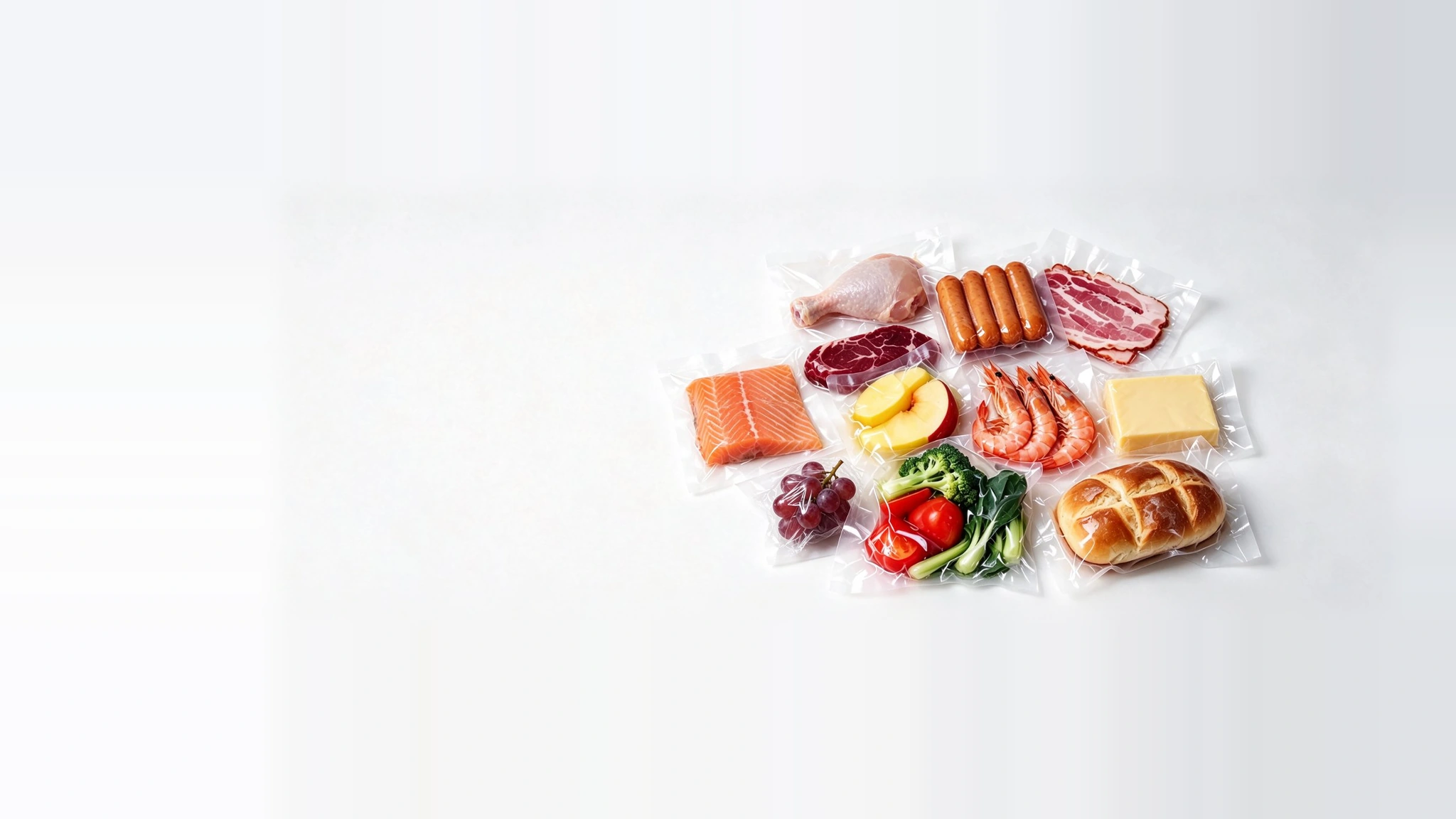
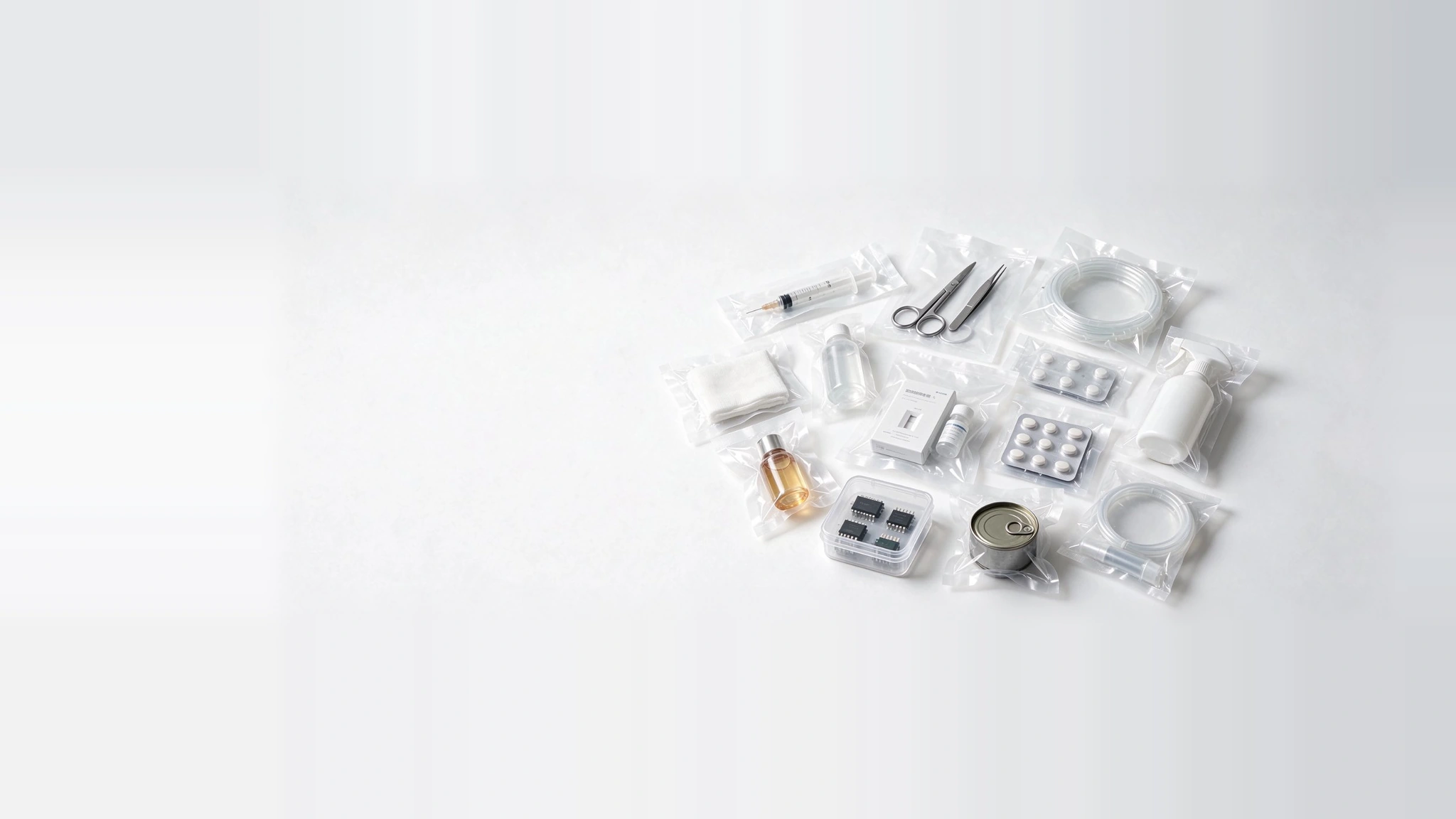
Most suppliers lead with product photos. We lead with an industry reference comparison — a starting point for the conversation, not a substitute for your own validation.
From raw resin to finished pouch, every format is built on the same coextrusion platform — which means one supplier, one quality system and one point of accountability.
 Co-extruded
Nine- and eleven-layer PA/EVOH/PE structures on German W&H lines.
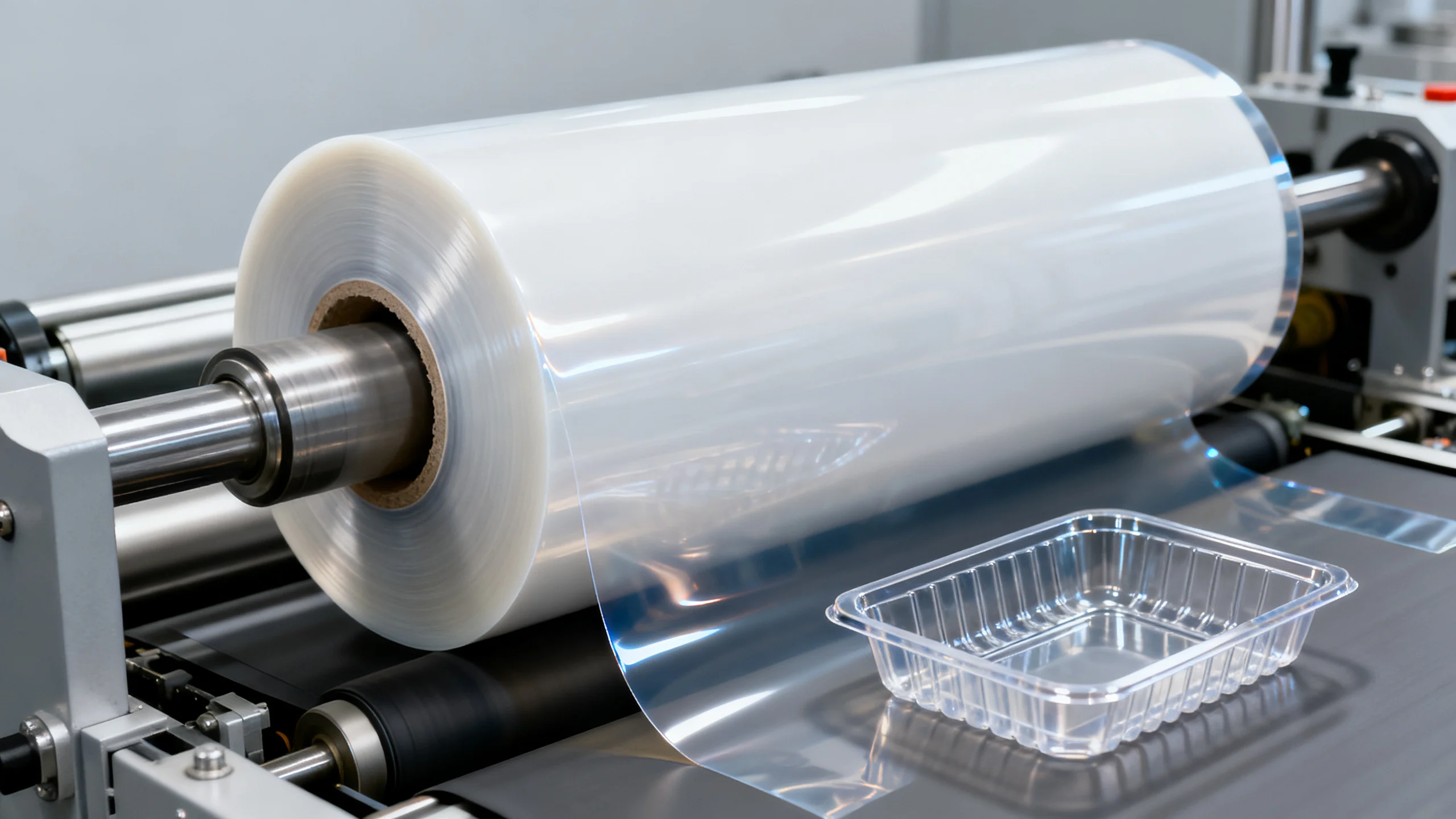 Thermoformed
Deep-draw sheets matched to Multivac, Variovac, ULMA and Frimaq lines.
 Vacuum & Retort
Vacuum and 121 °C retort structures with a wide seal window.
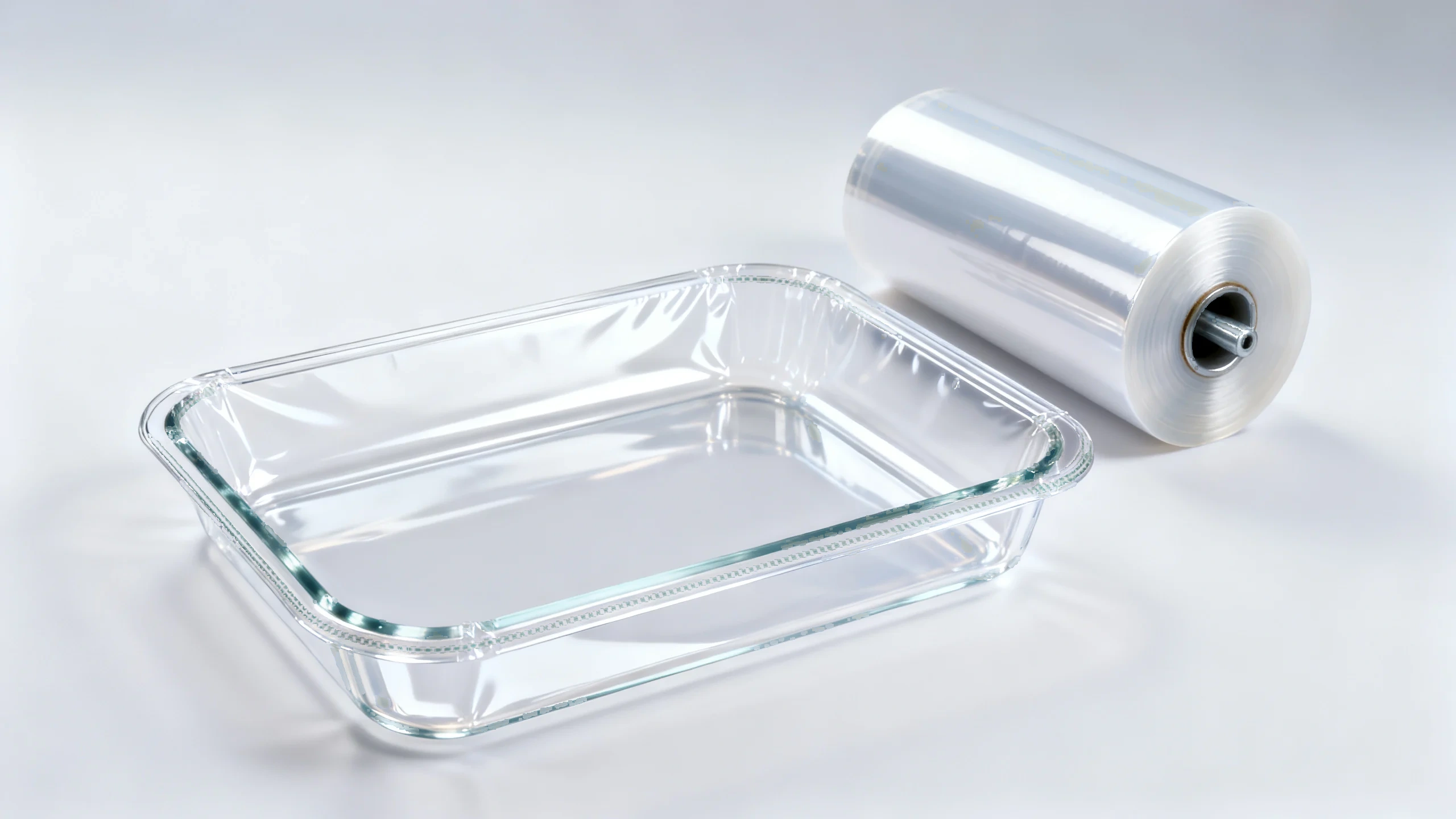 Lidding
Anti-fog and easy-peel lidding for PP, PET and PE trays.
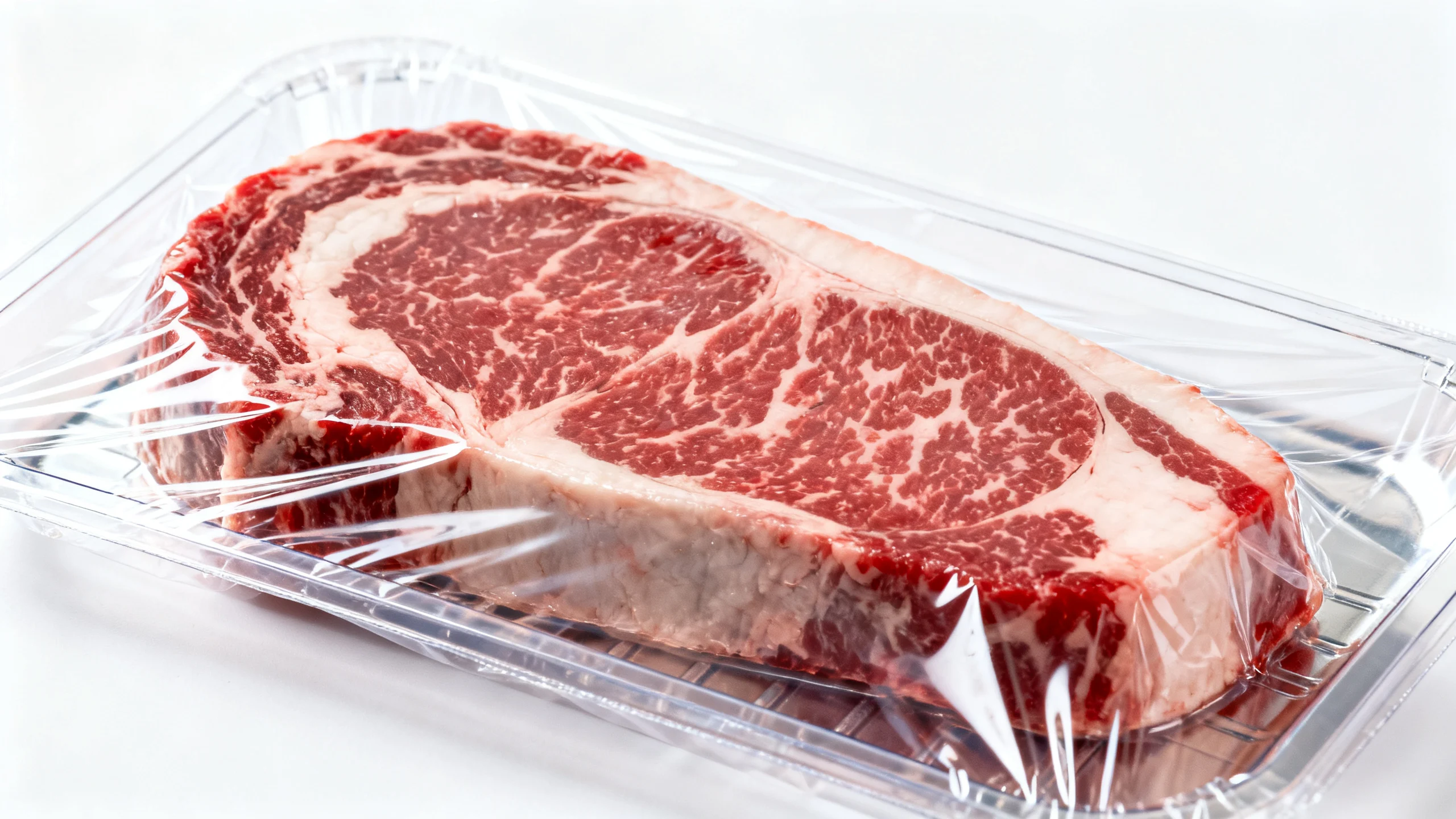 Skin Pack
Contour skin packs with 92%+ transparency and bone-in puncture resistance.
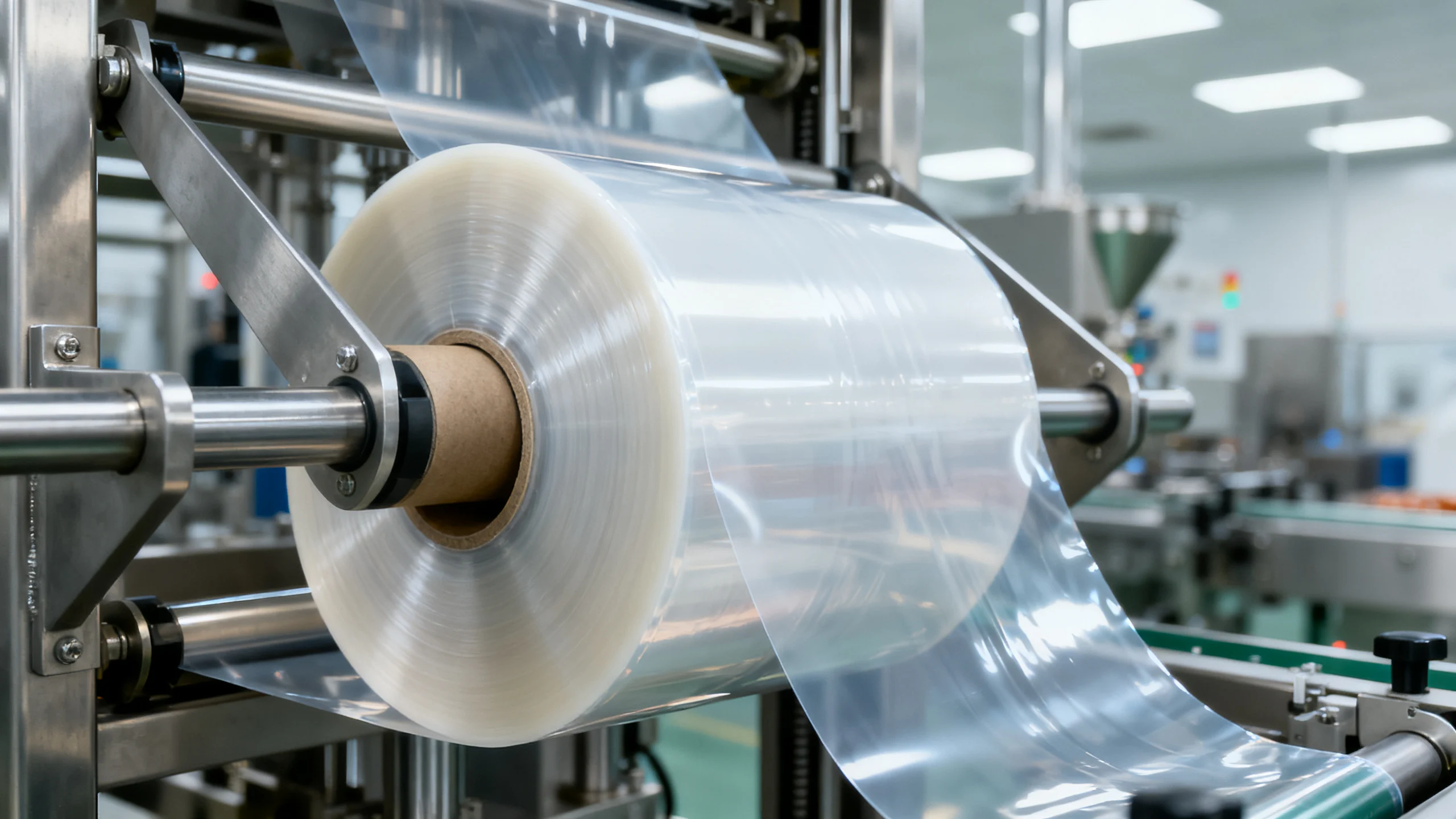 Form-Fill-Seal
Form-fill-seal film for 60 bags/min flow-wrap lines.
Five polymers, side by side. Use this to narrow the field before you talk to us — it saves both of us a week.
Illustrative ratings, relative within each factor — “excellent” means best-in-class, not an absolute number. Always confirm the shortlist against your own shelf-life validation.
| Factor | EVOH | PVDC | PA / Nylon | PET | HDPE |
|---|---|---|---|---|---|
| Oxygen barrier (OTR) | |||||
| Moisture barrier (WVTR) | |||||
| Aroma / odour barrier | |||||
| Fat / oil resistance | |||||
| Retort (121 °C) | |||||
| Recyclability | |||||
| Printability |
Fourteen application areas with indicative structure recommendations. Tell us the product and we will work through the specification together.
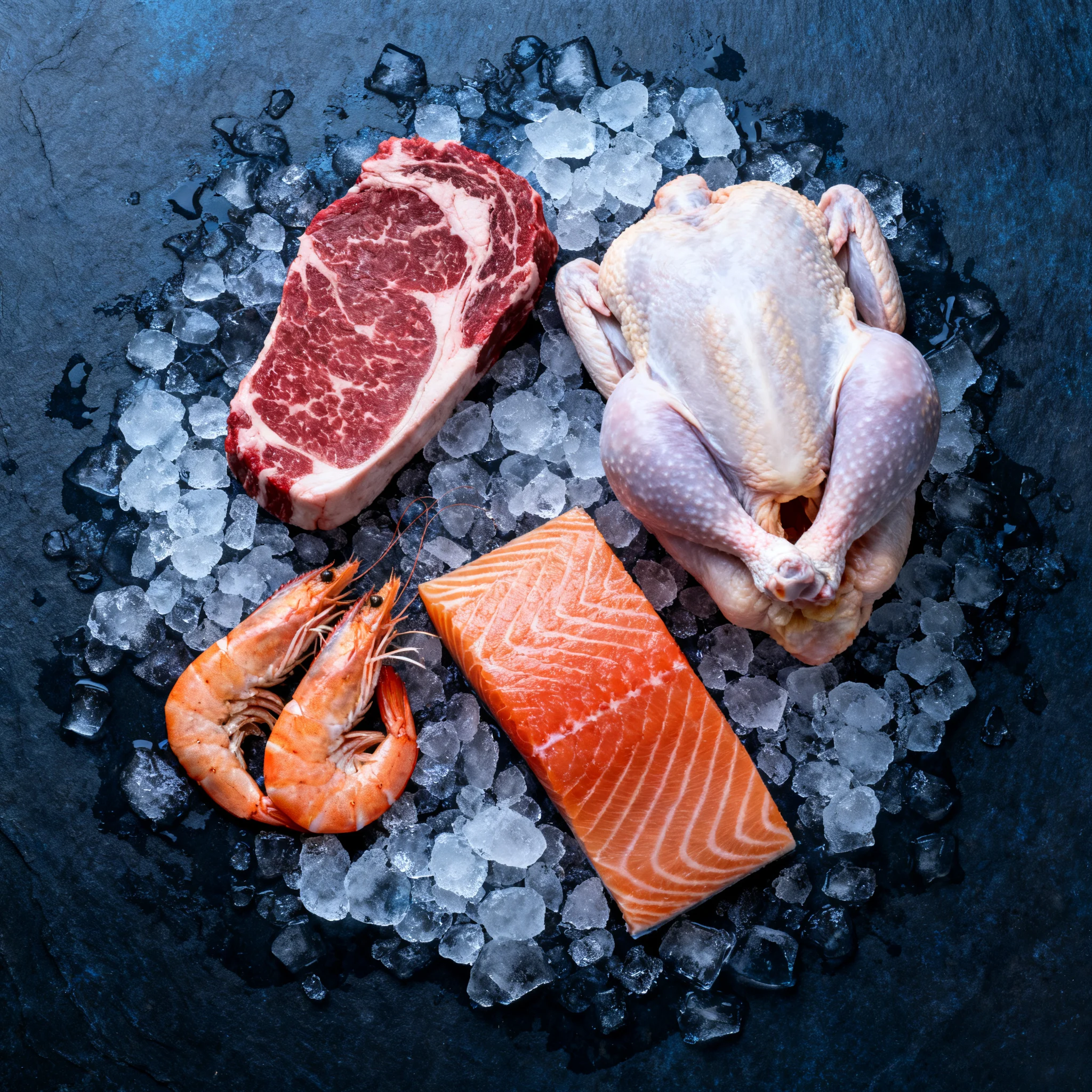 Food
Fresh protein is the hardest shelf-life brief in packaging. Oxidation, drip loss and odour t…
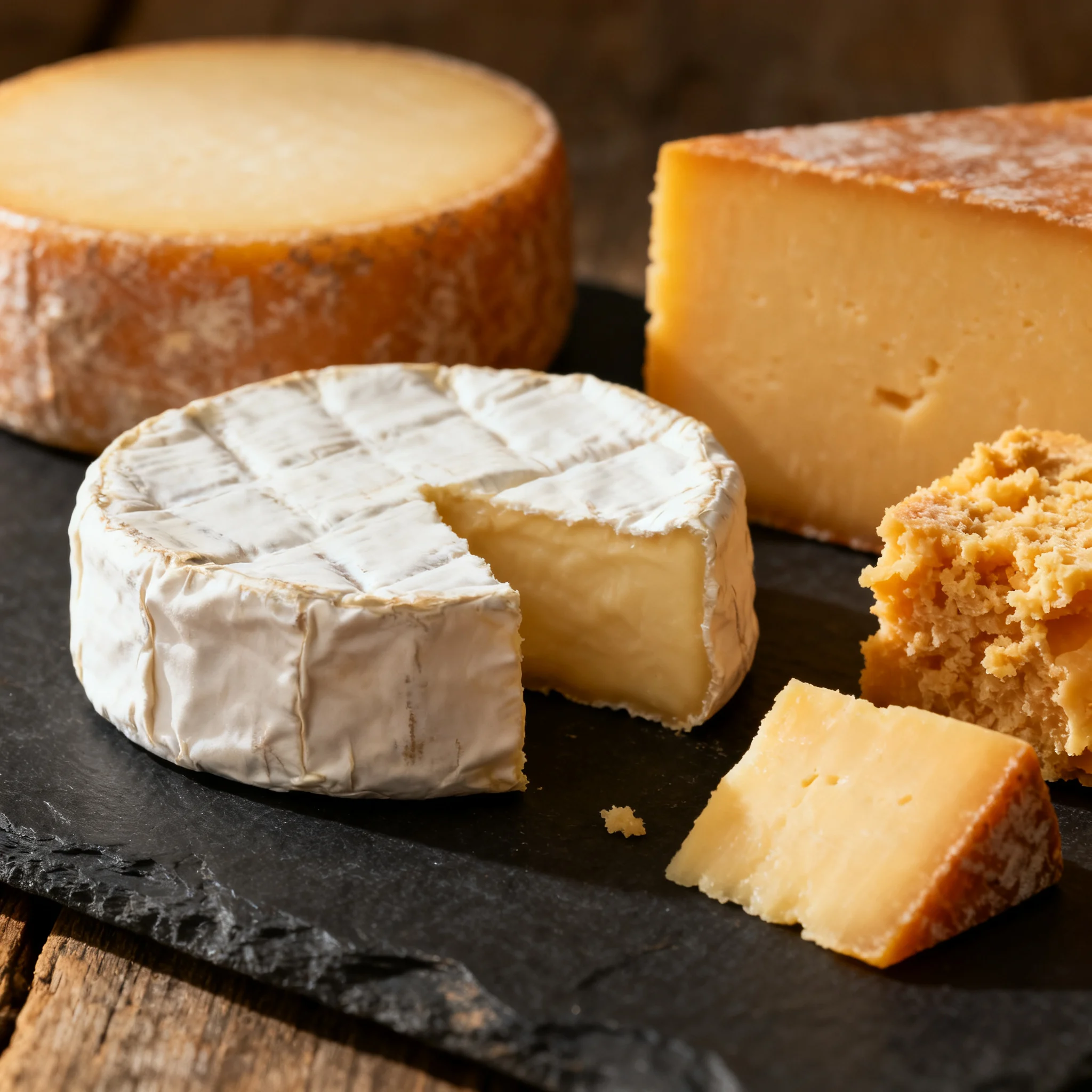 Food
Cheese needs oxygen blocked, moisture controlled and aroma retained — three requirements tha…
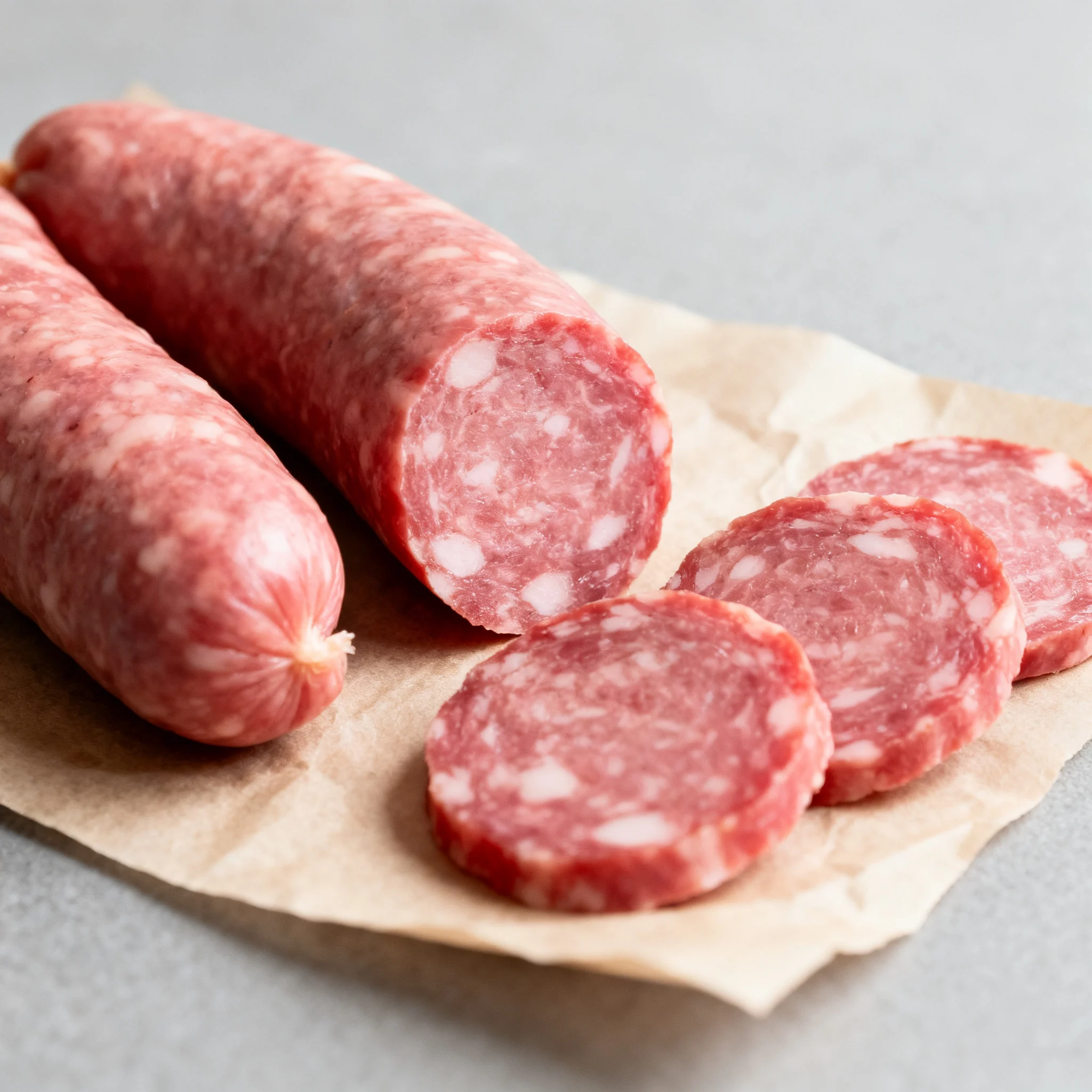 Food
Sausage is a high-fat, high-salt product packed under nitrogen. Fat is what attacks barrier …
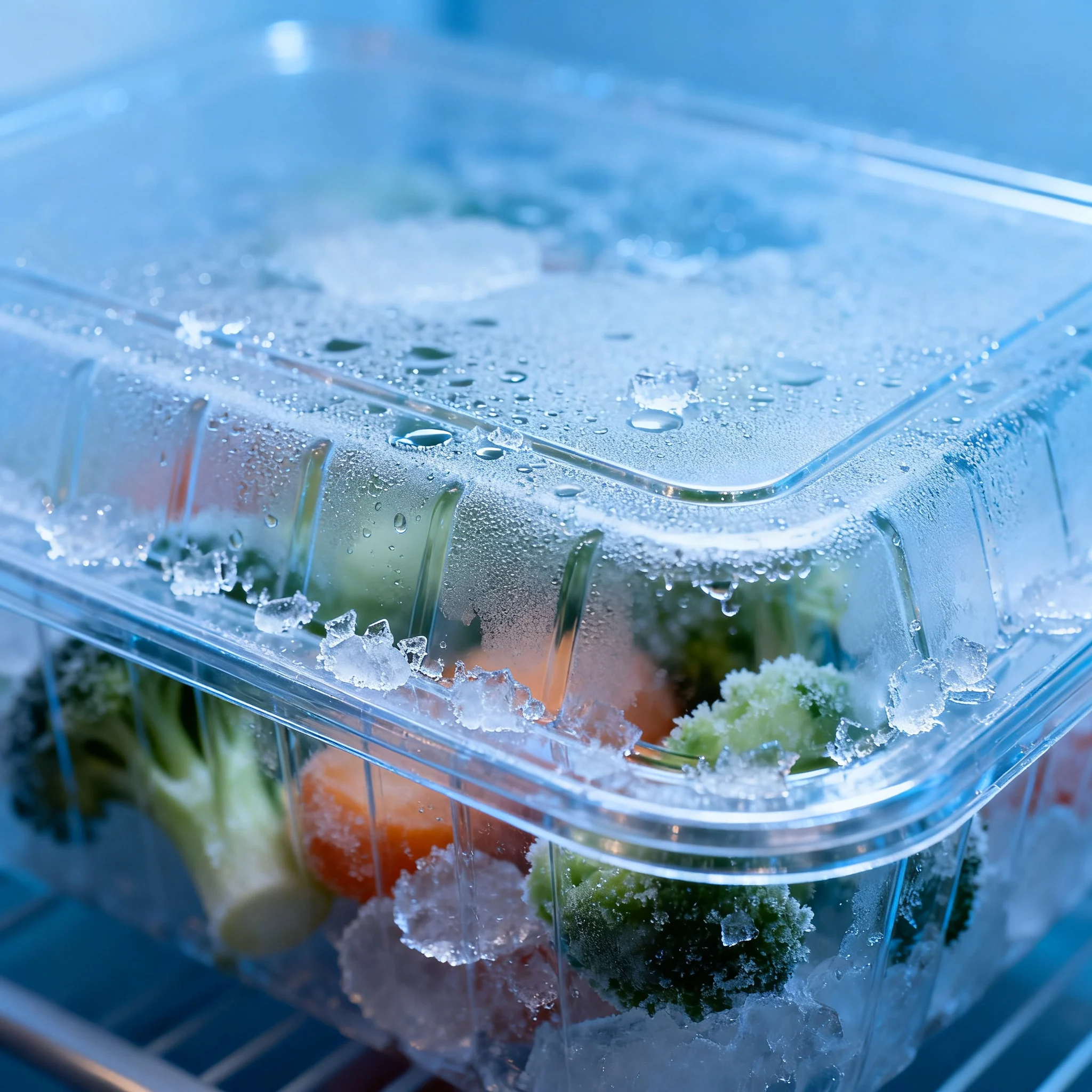 Food
Frozen food fails through two doors: sublimation and odour migration. Both are oxygen-driven…
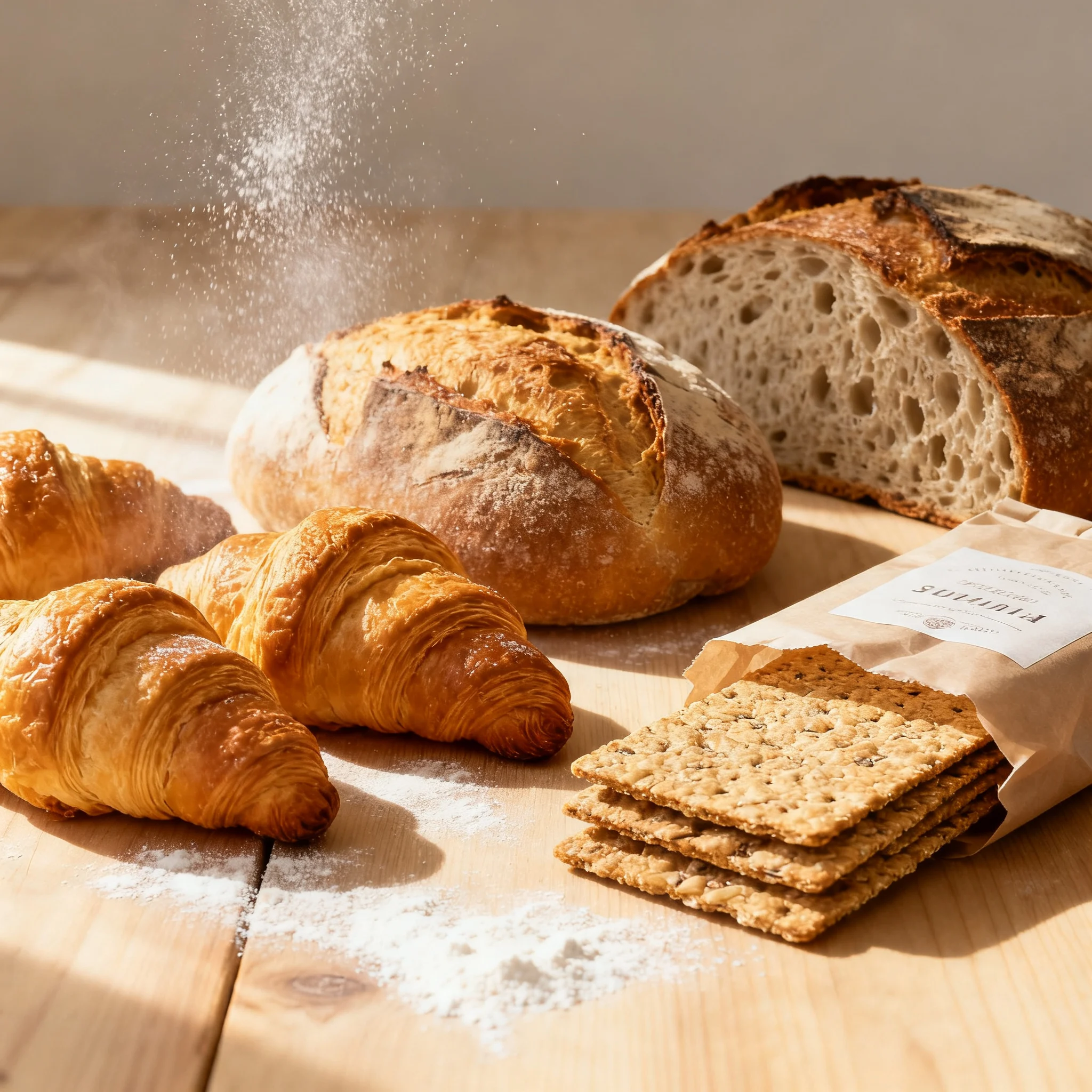 Food
Bakery and snacks lose freshness through moisture migration, not through oxidation. The barr…
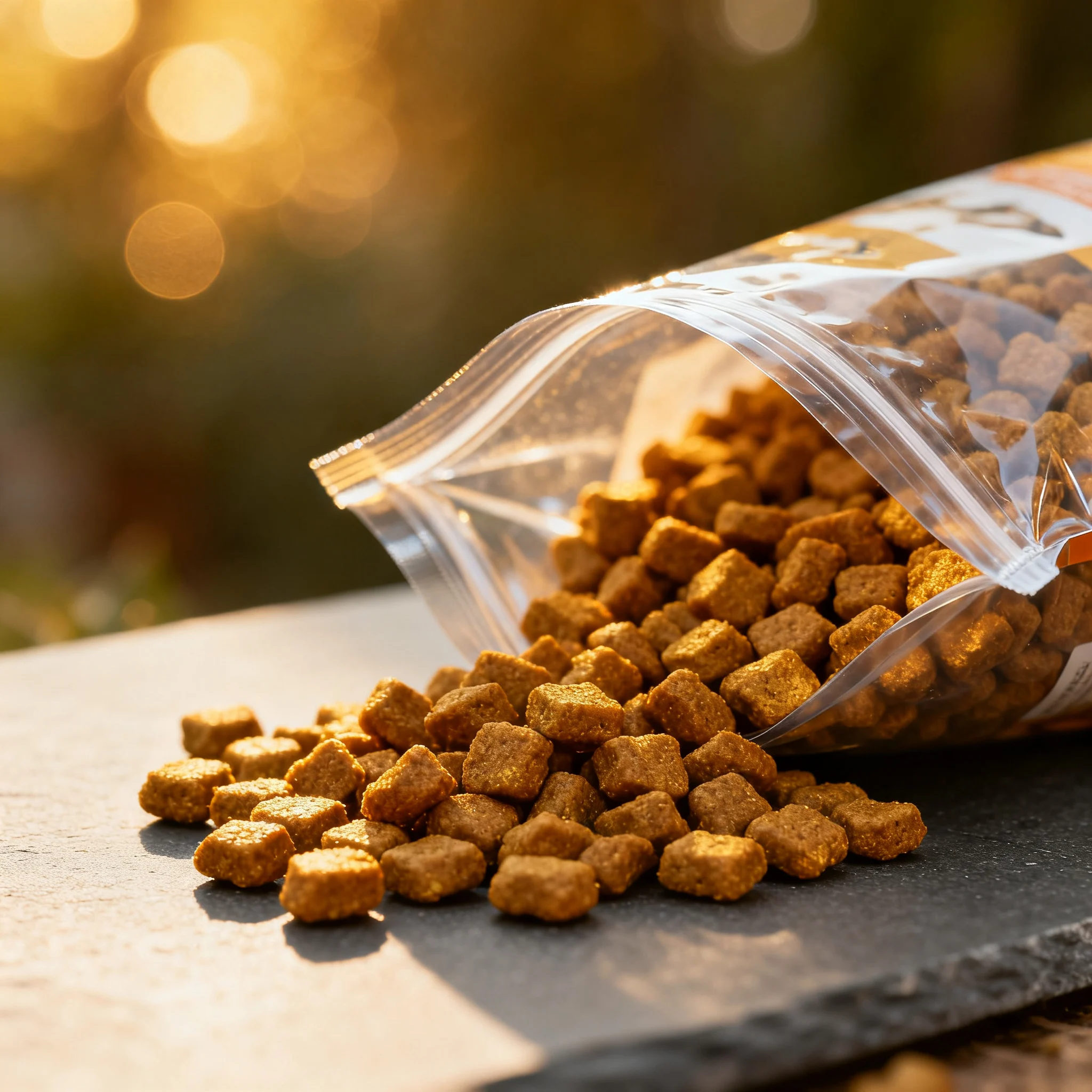 Food
Pet food is bought on odour and palatability. The pack has to lock aroma in while surviving …
 Food
Liquids need a barrier that survives pasteurisation and a pack that survives a distribution …
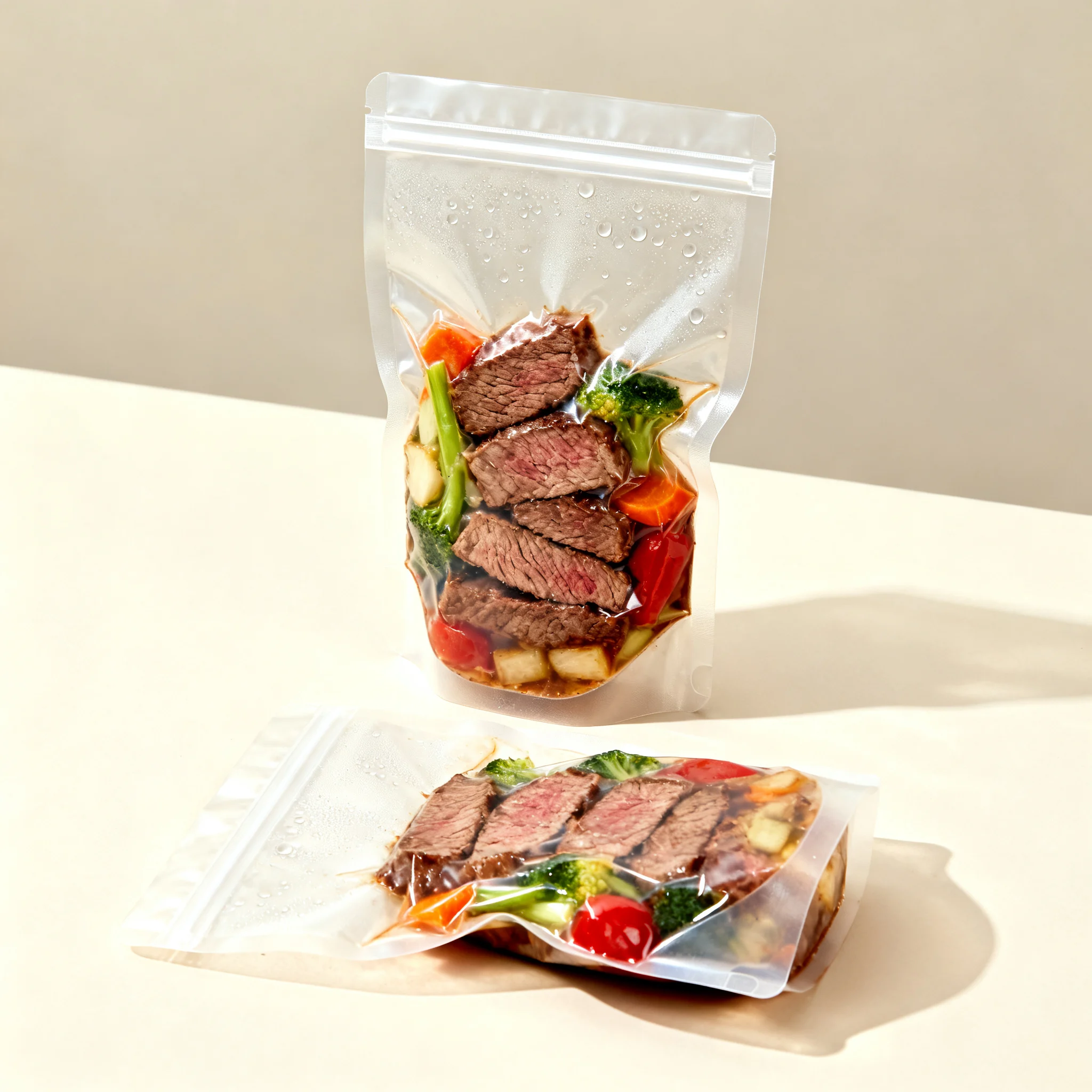 Food
Cooking inside the pack is the most demanding brief a barrier film can get. Heat, steam and …
Not seeing your sector? We also supply into electronics, chemical bulk, agriculture, personal care and pipeline rehabilitation.
All applicationsStandards are a floor, not a ceiling. The framework below summarises common industry practice — it is illustrative, not a claim about our own audited performance.
Closed-loop sustainability from resin to pack
Food-grade safety and full traceability
A documented supply chain
Illustrative examples based on common packaging briefs. Figures are indicative, not customer results.
A chilled ready-meat range needed a 21-day shelf life in a 60 % RH cold cabinet with no retort. We re-engineered the structure around gauge, gauge distribution and EVOH conditioning.

An IV infusion bag supplier needed secondary packaging validated for 121 °C steam sterilisation with full lot traceability into the customer's own QMS.
Technical articles written by the people who run the lines, company and exhibition news, practical reference notes, and downloadable reference documents and templates.
In-depth technical writing on barrier chemistry
Company updates and exhibition announcements
Practical guides, selection help, terminology
Catalogues, reference templates, specification sheets

A practical buyer's guide to EVOH barrier film for food packaging: structures, oxygen barrier performance, selection steps, and specification criteria.

Gauge, OTR, WVTR, seal window, tolerance. The five numbers that matter on any barrier film spec — and the units that trip people up.
Discolouration, odour drift, weight loss, seal failure, short shelf life. Here is how to read your own packs.
Tell us what you are packing, your target shelf life and the line it runs on. Our technical team comes back with a structure recommendation, a gauge and a barrier figure — usually within five working days.