EVOH Barrier Film for Food Packaging: Buyer's Guide
A practical buyer's guide to EVOH barrier film for food packaging: structures, oxygen barrier performance, selection steps, and specification criteria.
Read article
Real chemistry, real failure modes, and the specification advice we give customers every day. No market fluff, no recycled press releases.
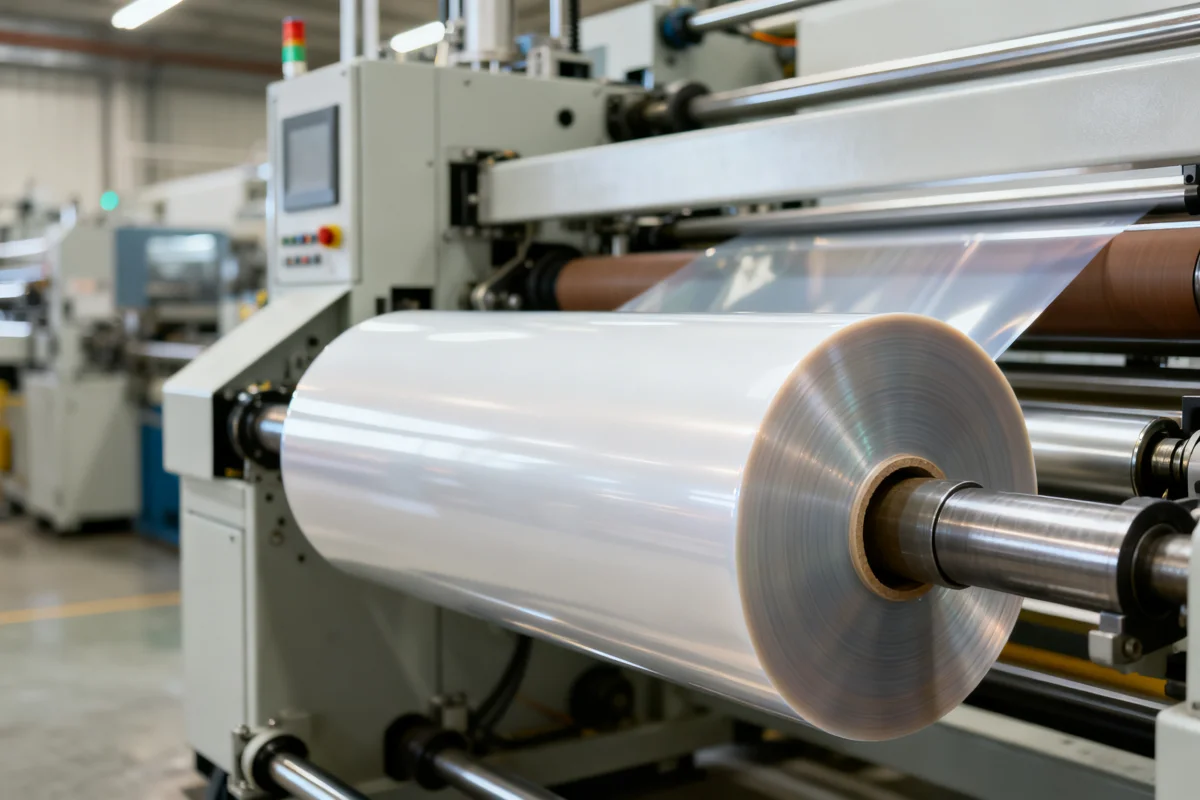
A practical buyer's guide to EVOH barrier film for food packaging: structures, oxygen barrier performance, selection steps, and specification criteria.

Gauge, OTR, WVTR, seal window, tolerance. The five numbers that matter on any barrier film spec — and the units that trip people up.
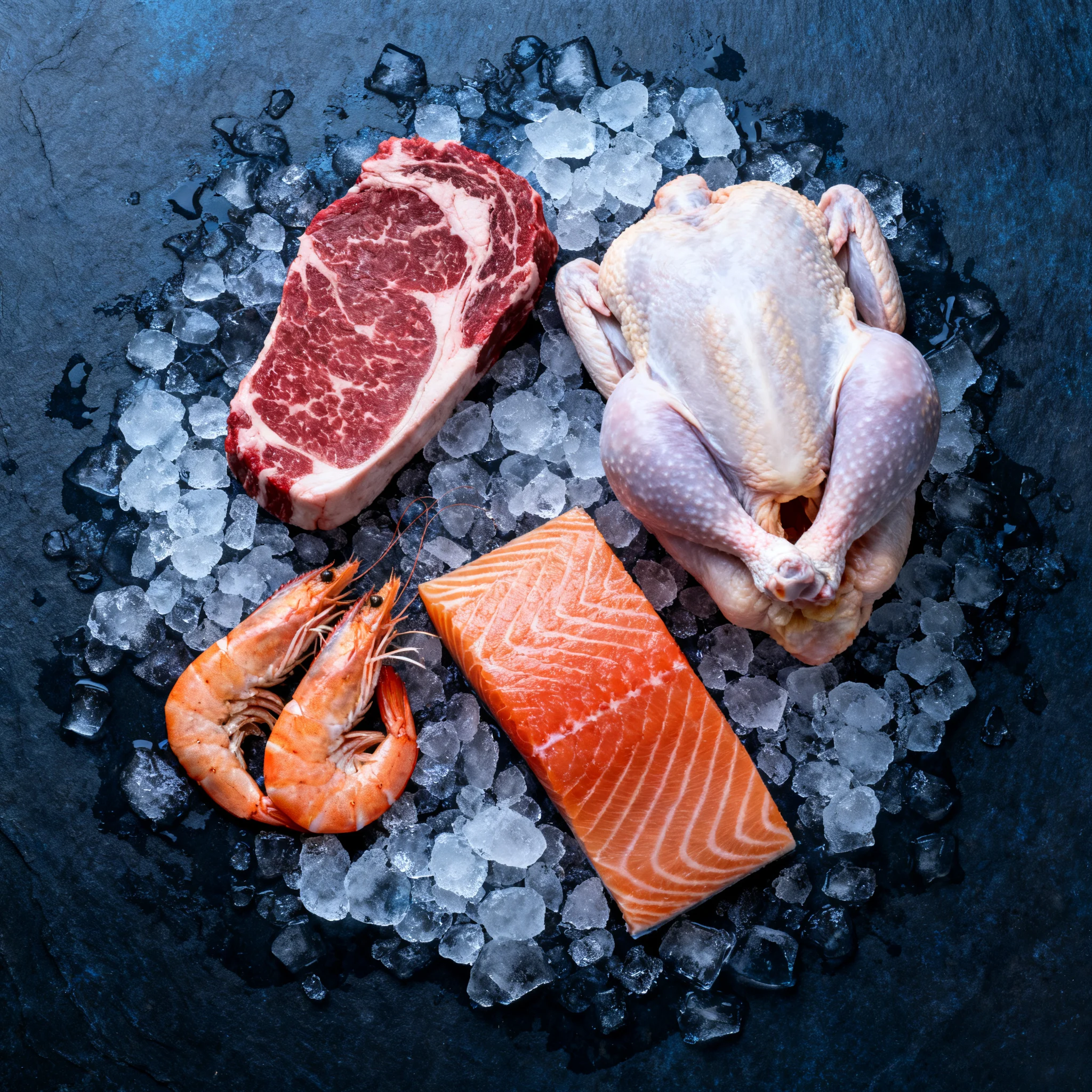
Discolouration, odour drift, weight loss, seal failure, short shelf life. Here is how to read your own packs.
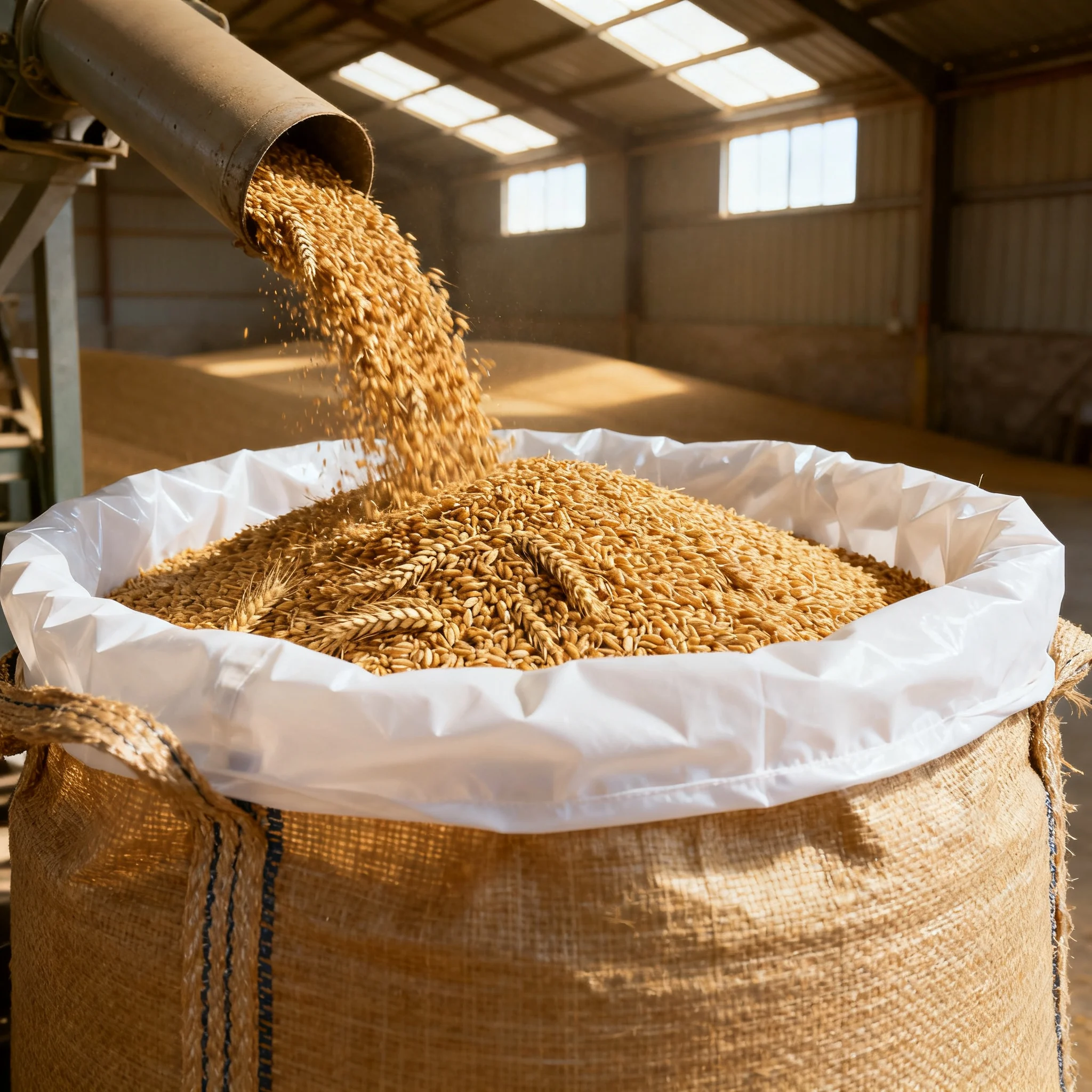
A mono-material PE/EVOH/PE structure is not a compromise. It is the most direct route to a recyclable-pack claim that stands up to scrutiny.
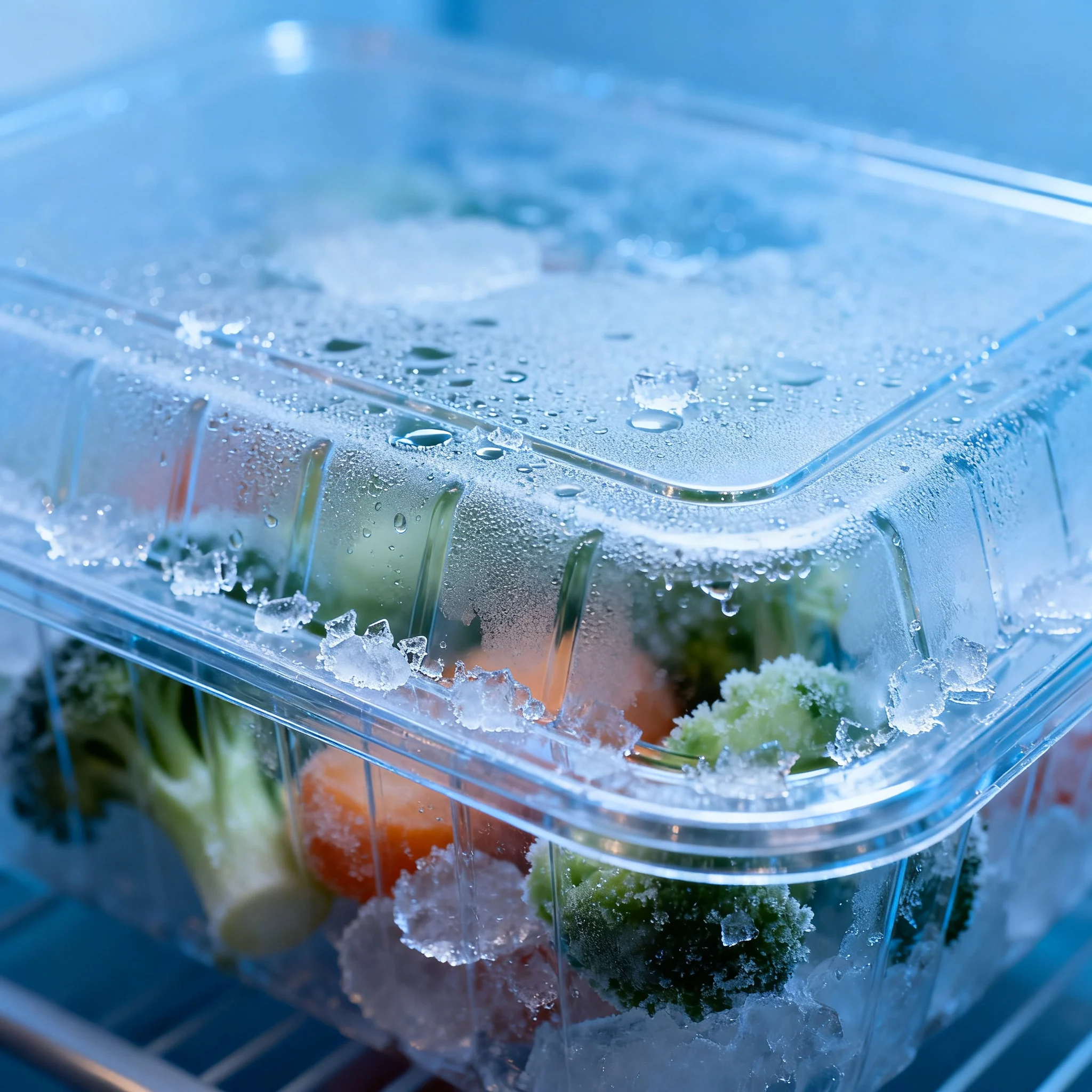
Retort is where barrier claims get tested. Here is what happens to EVOH at 121 °C and how to design around it.
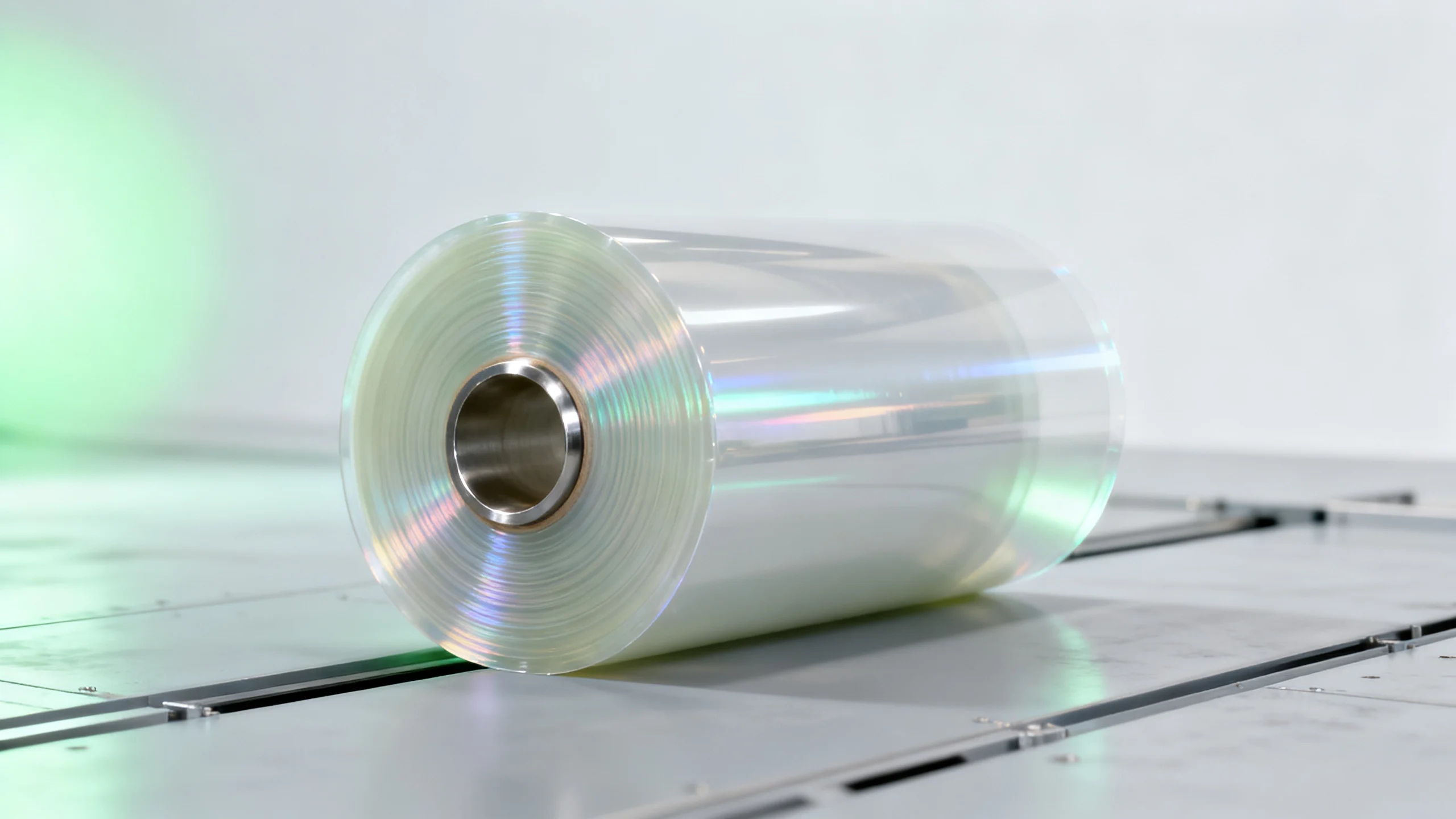
Nine layers, one die, no glue. How modern co-extrusion builds a barrier film that behaves as a single material.
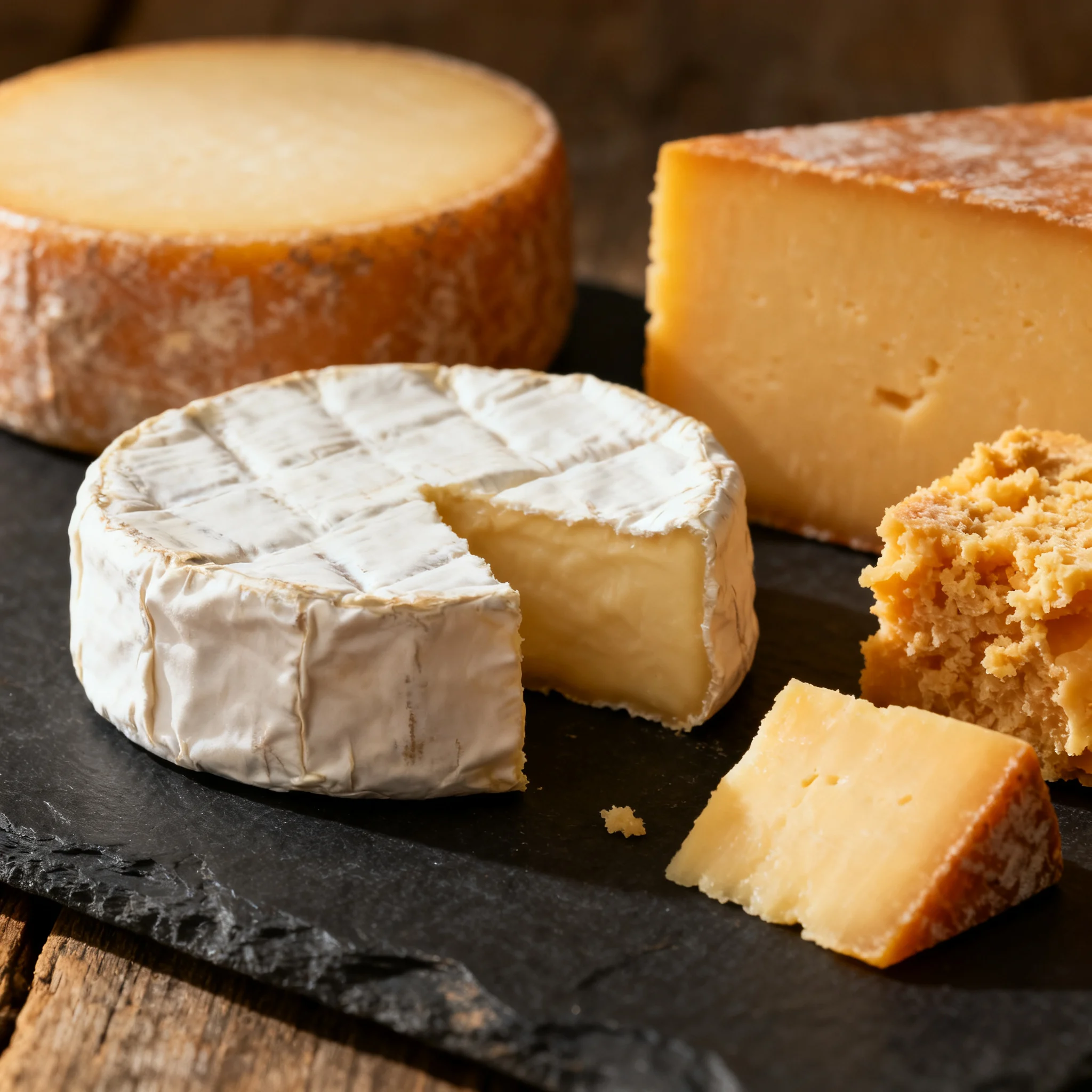
A side-by-side comparison of the three barrier polymers that decide most flexible packaging specifications — with the regulatory pressure on PVDC included.

EVOH is the most effective oxygen barrier available for flexible packaging. Here is how the chemistry works, what it actually delivers, and where it fails.
Tell us what you are packing. We will send the structure recommendation, the barrier figure and the documentation pack — no obligation, no sales sequence.